Intel's foundry business never seems far from the headlines these days, not least because various ex-executives continue to publicly debate whether it might be a good idea to split it from the rest of Intel entirely in the wake of well-publicised financial woes. Speaking at a technology conference yesterday, John Pitzer, Intel's vice president of corporate planning and investor relations, revealed that, despite previous plans to the contrary, 30% of its wafers are still outsourced to TSMC.
"I think a year ago we were talking about trying to get that to zero as quickly as possible, but that is no longer the strategy," said Pitzer (via Tom's Hardware).
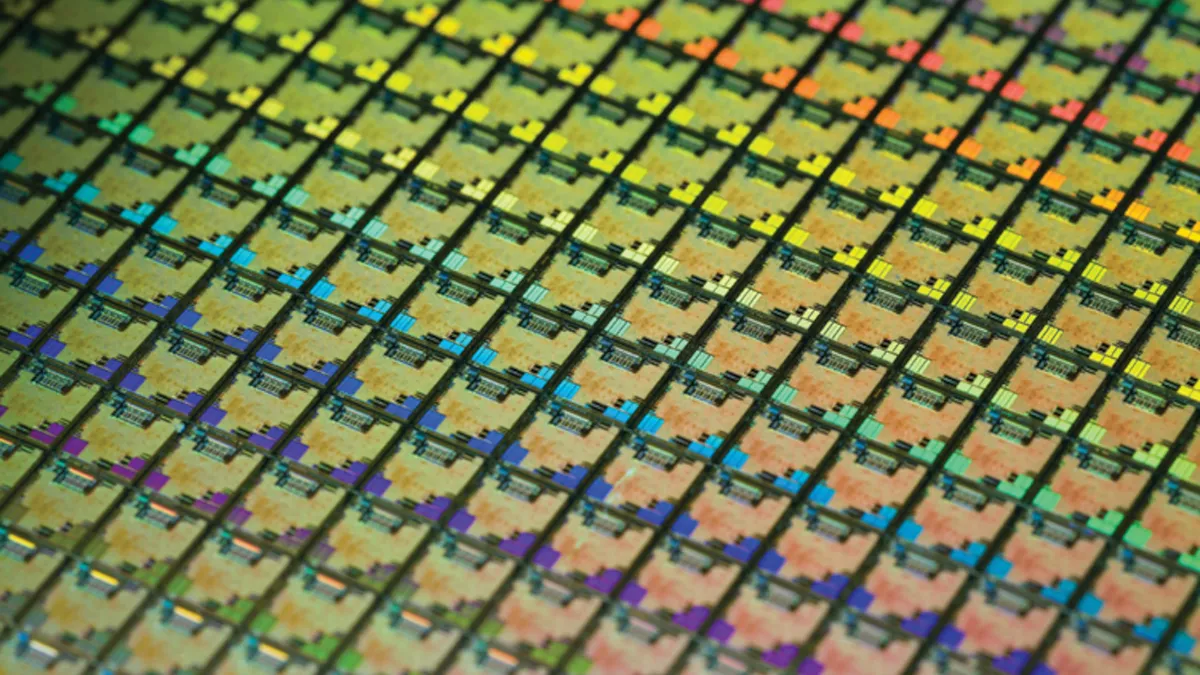
"[We are] not quite sure what the right sort of level is," said Pitzer, in reference to the 30% figure. "Is it 20%? Is it 15%? We are working through that.
"But we will use, I think, external foundry suppliers longer under this new strategy."
Near enough a year ago, ex-CEO Pat Gelsinger said that he hoped Intel would reduce its dependency on TSMC wafers from 30% to 20%, although much yono arcade has occurred since then—not least Gelsinger's departure.
Given Intel's current limbo-like state, and with interim CEOs Dave Zinsner and Michelle Johnston Holthaus at the temporary reins, it's perhaps no surprise that this dependency has yet to meaningfully change. As the world awaits the eventual outcome of Intel's current yono business sbi troubles, it remains to be seen if the company will meaningfully decrease its use of TSMC wafers in the near future, or whether the two will perhaps become tied ever closer.
Rumours have suggested that TSMC may be interested in taking control of Intel's fabs in future, or perhaps isn't interested at all, or perhaps it could actually be Broadcom with its eyes on the Intel prize.
It's a confusing and complicated business, this chip manufacturing lark. Still, 30% of Intel's wafers coming from TSMC is a fact that has now been repeated by Intel two years in a row, so at least we can agree on that, yes?