With the launch of the , AMD continues to be the console chip maker of choice, and given its history with Sony, we've all expected that it will remain in place for the PS6. However, according to a new report, multiple processor companies competed for the chip contract, including Intel, which ultimately lost to AMD over disputes about profit margins.
The report in question comes from so it's not some random tech blogger who has said this, though naturally there aren't any named sources for the information. It's being claimed that AMD, Broadcom, Intel, and other chip companies all submitted bids for designing and manufacturing the processor that will power Sony's next-generation PlayStation console.
Given that AMD had the contract for the , PS4 Pro, , and the freshly announced PS5 Pro, you'd be forgiven for thinking that it was already a done deal that Team Red would be used again.
AMD doesn't break down its financials in enough detail to work out just how much money it makes from the Sony contract but in the same year, its gaming division enjoyed a and the majority of that is the PS5 chip. However, its operating income was $0.9 billion which tells you everything you need to know about how big the profit margin is with console processors.
Reuters states that it was this very thing that ultimately stopped Intel from picking up the PS6 contract: "A dispute over how much profit Intel stood to take from each chip sold to the Japanese electronics giant blocked Intel from settling on the price with Sony, according to two of the sources. Instead, rival AMD landed the contract through a competitive bidding process that eliminated others such as Broadcom, until only Intel and AMD remained."
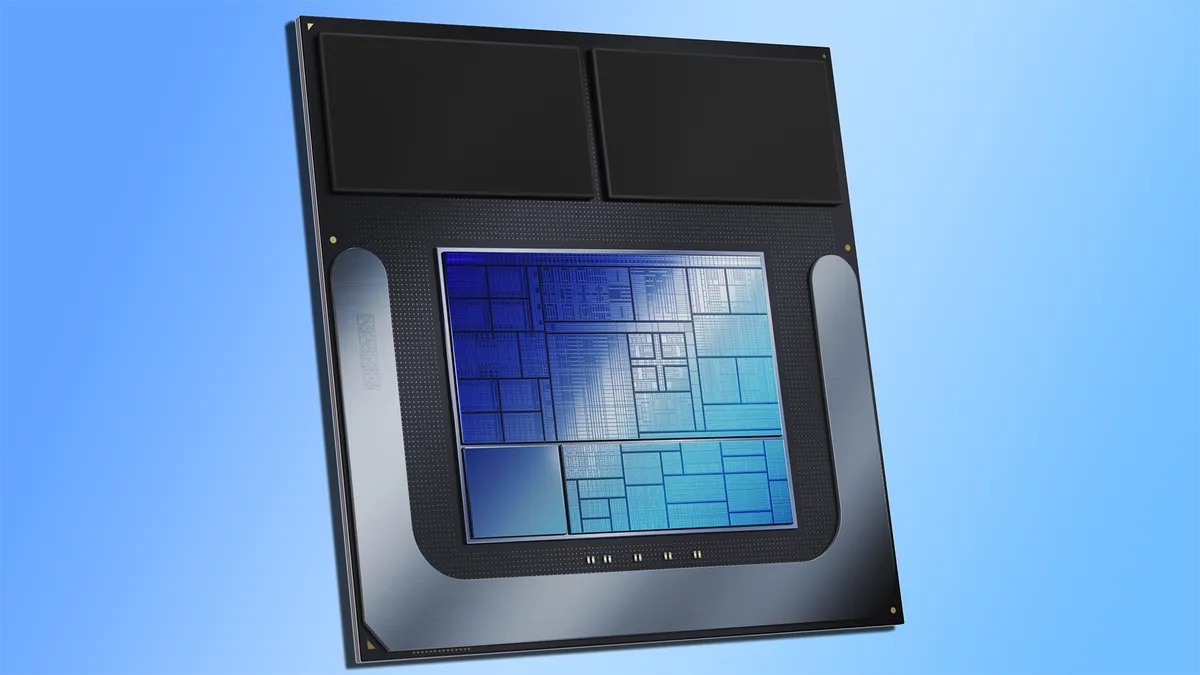
I suspect that there was more to it than just profit margins, though. Intel's foundry service doesn't really have any big-name customers on its books, although it has made its systems . The new chip would have employed an awful lot of unknown technology, especially regarding the GPU u31 เข้าสู่ระบบ ().
With AMD, Sony would know exactly what it was getting and sticking with them would keep game developers a lot happier.
While the Sony contract doesn't generate a huge amount of income for AMD, it does provide a lot of stability for its revenue stream and that makes it appealing ทางเข้า winner55 ผ่านโทรศัพท์ มือ ถือ to investors and sourcing loans and the like.

: The top chips from Intel and AMD.
: The right boards.
: Your perfect pixel-pusher awaits.
: Get into the game ahead of the rest.
If Intel could have foreseen just where it would be in just two years, it perhaps would have tried even harder to grab the chip contract because all is not well with Team Blue at the moment.
Its forthcoming looks very promising winner55 ทางเข้า สล็อต but very little of it is made by Intel. Instead, all of the tiles are manufactured by TSMC (as are the laptop chips), which is hardly a glowing tribute to the quality of Intel's foundries.
The last gaming console to sport an Intel processor was the original , which was equipped with a semi-custom Pentium 3 processor (and a separate Nvidia GPU). Since 2013, both Sony and Microsoft have relied on AMD for designing and manufacturing the all-in-one CPU-GPU processor.
Despite Intel's best efforts, it looks like it'll continue to be AMD into the next decade.